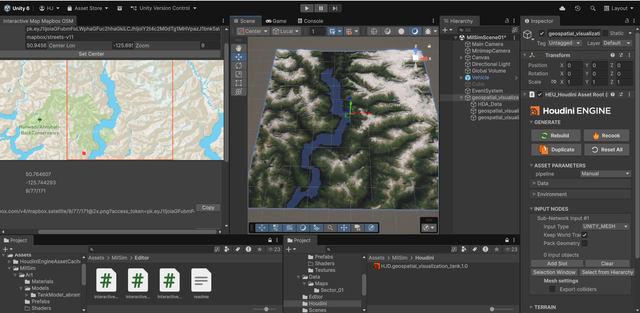
Procedural Terrain System with Noise-Based Mask Blending
A reusable terrain-authoring setup in Houdini for quickly building believable environments while keeping strong artistic control.
Problem
Manually sculpting each environment was slow and inconsistent. The key production issues were:
- Rebuilding similar terrain structures from scratch for each level.
- Keeping road, settlement, and playable-area surfaces readable.
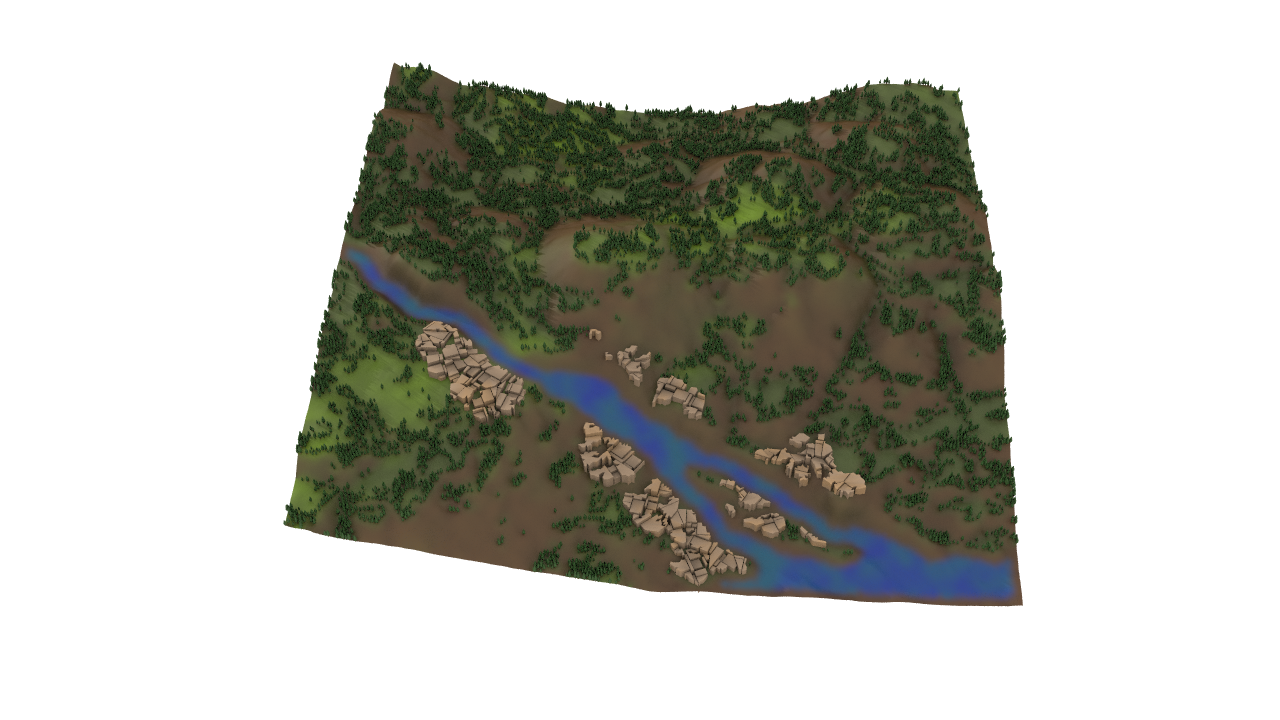
- Distributing vegetation and props in a way that respected terrain slope.
Approach
I built a modular heightfield workflow in Houdini with a clear processing order:
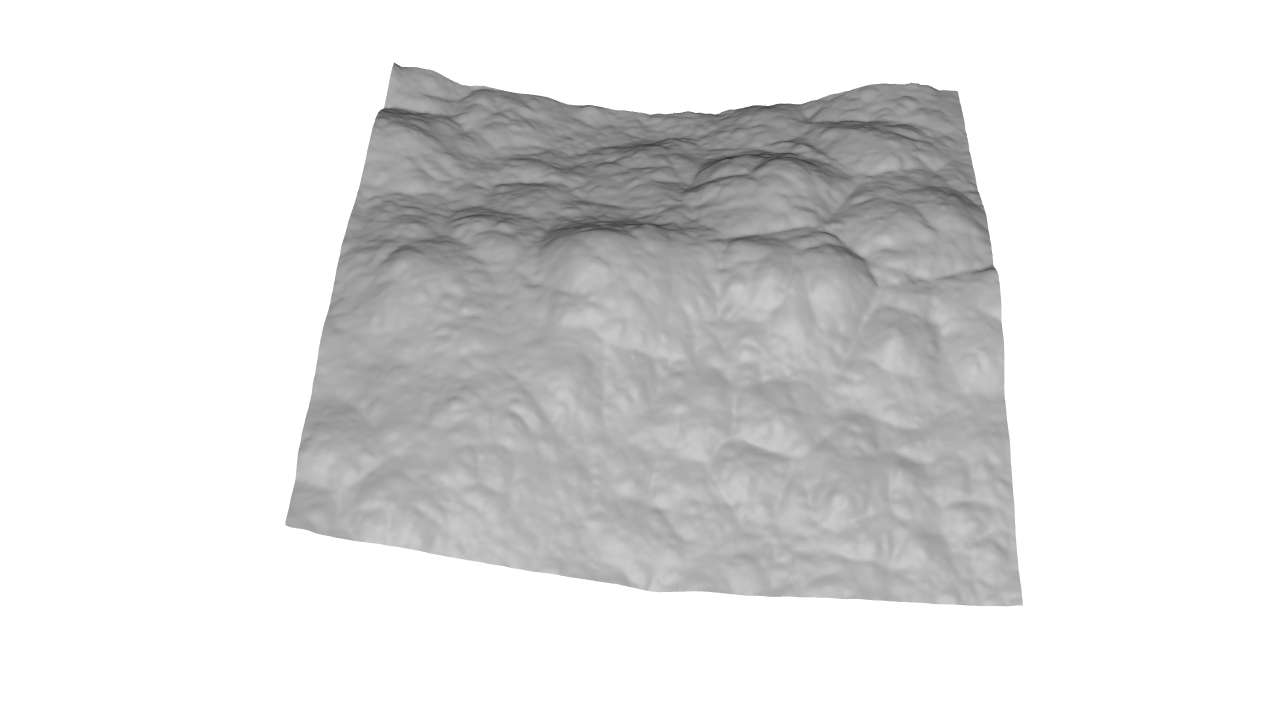
- Base Heightfield – establish macro landforms and overall silhouette.
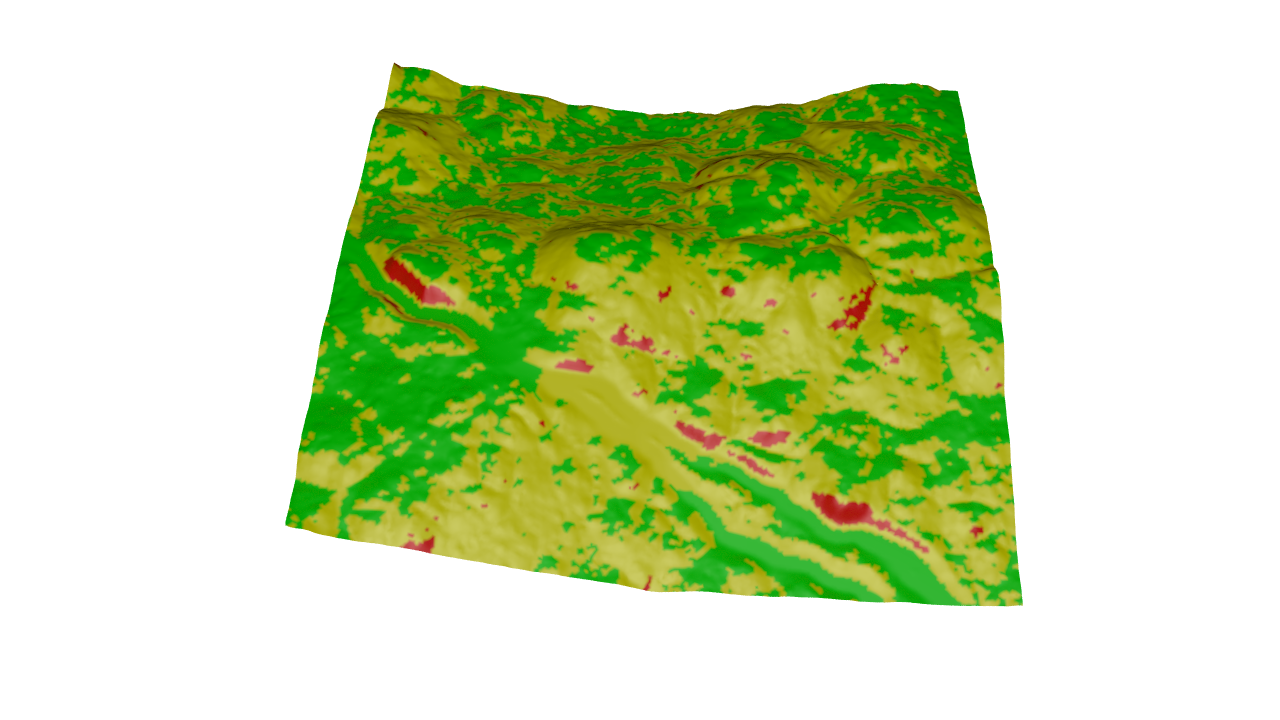
- Derived Masks – generate slope, river, and vegetation masks from terrain attributes.
- Settlement Flattening – carve and level specific gameplay/readability zones.
- Art-Direction Pass – expose tunable parameters for quick non-destructive iteration.
This structure makes it easy to iterate globally while still allowing local overrides when needed.
Terrain Build Breakdown
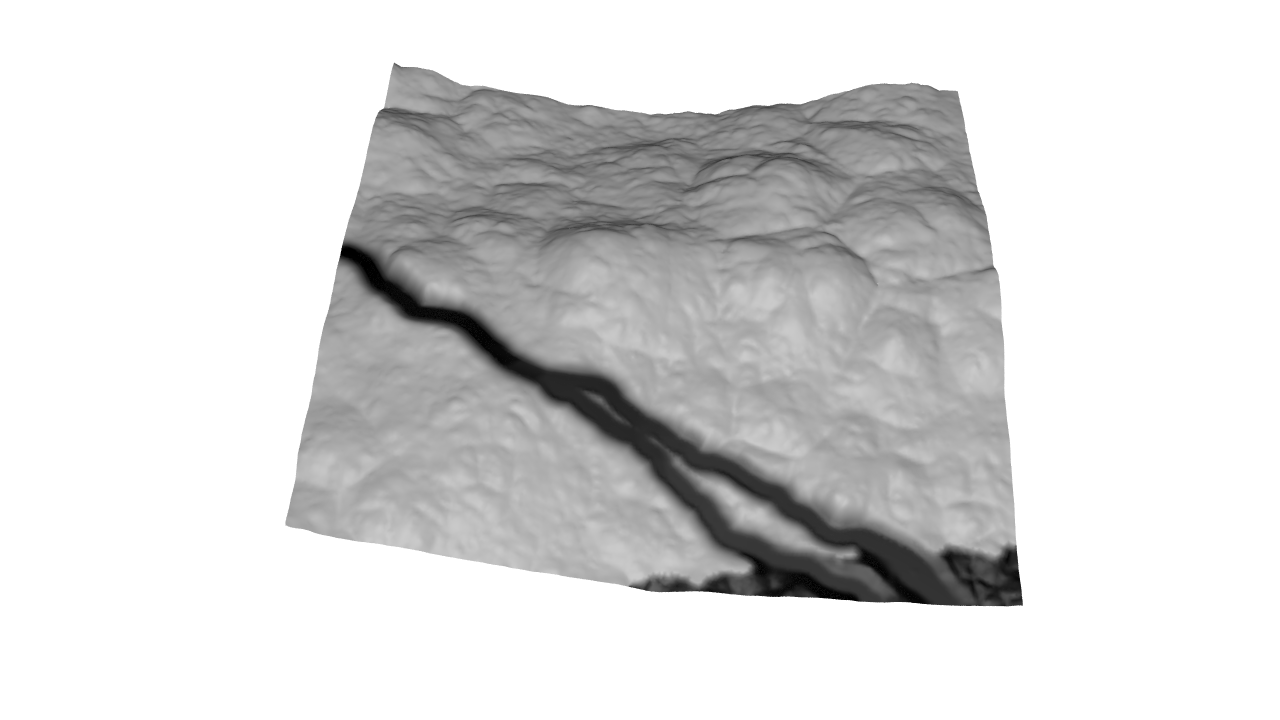
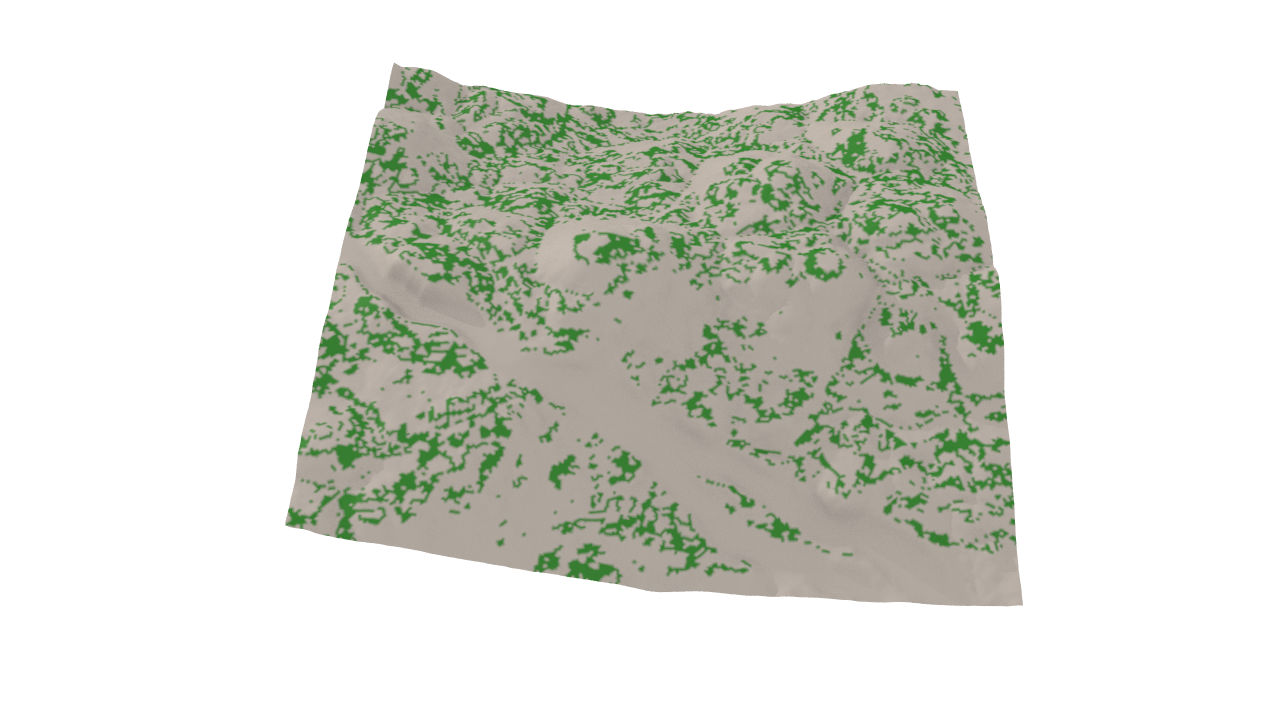
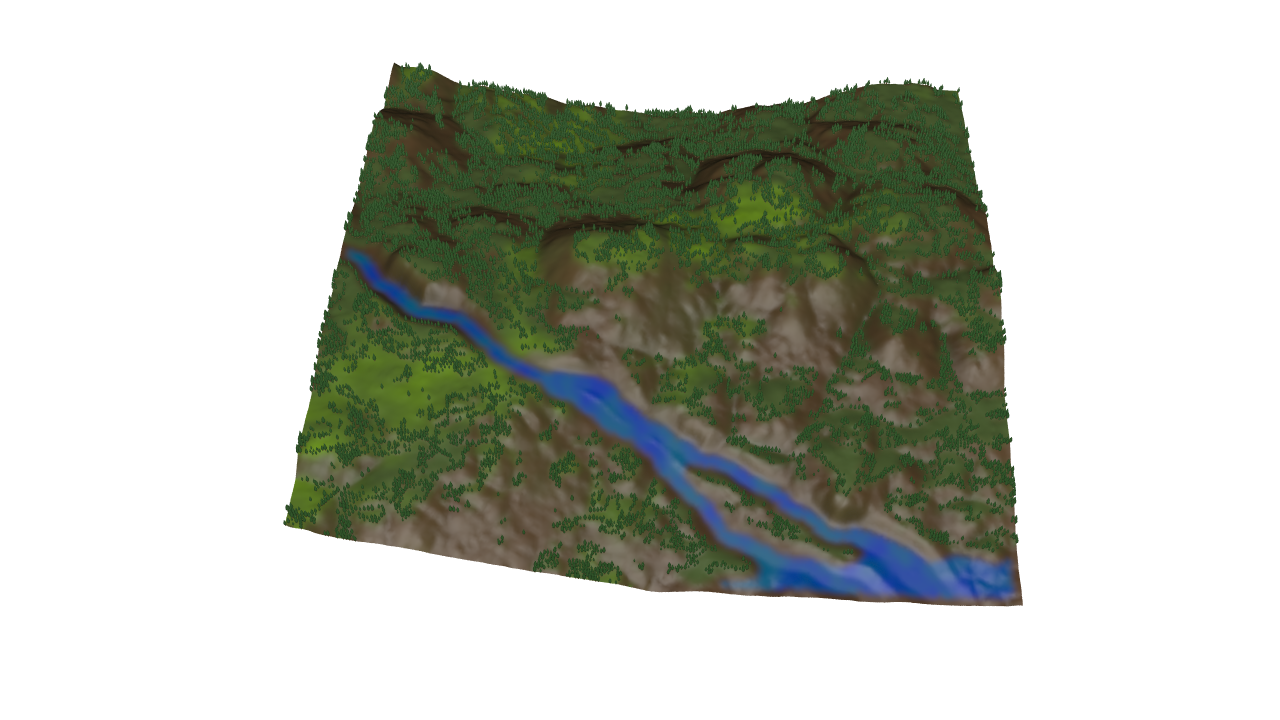
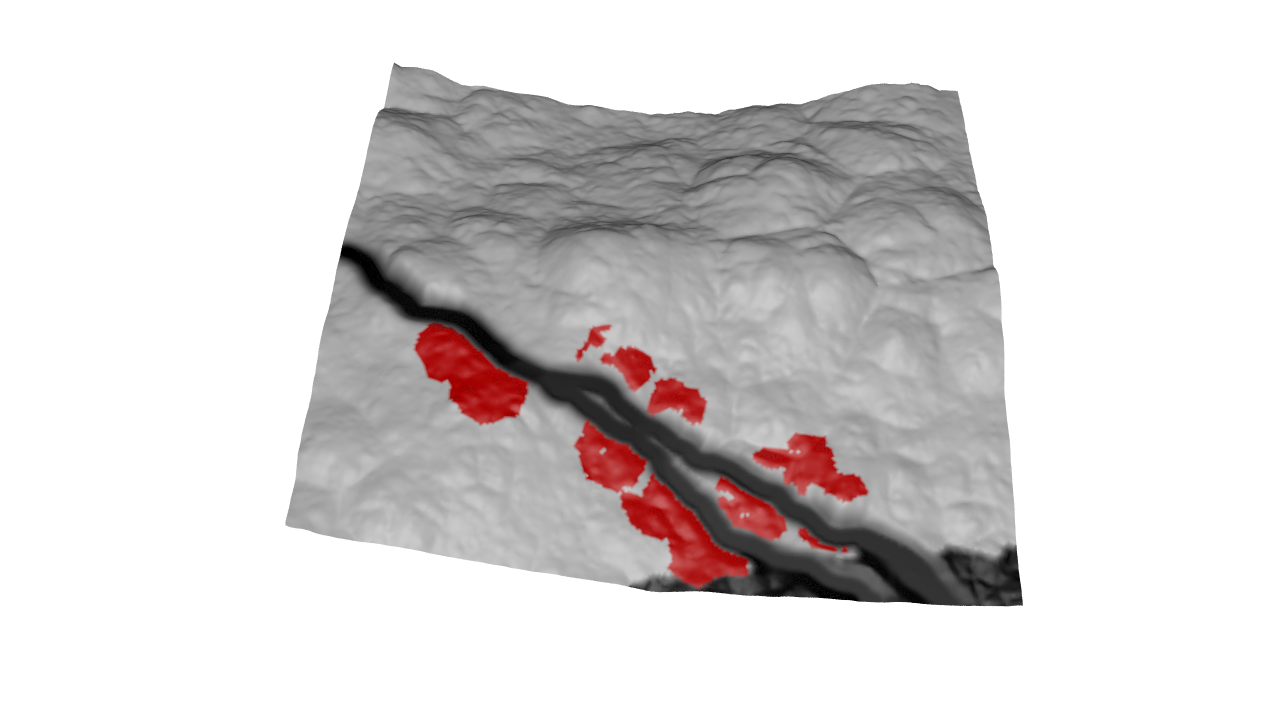
Tools
- Houdini (HeightField workflow and procedural controls)
Result
The system substantially improved environment iteration speed and consistency across scenes:
- Faster setup for new terrain variants.
- More predictable art direction outcomes.
- Cleaner, rule-driven distribution of vegetation and props.
- Better readability around settlements and gameplay-critical areas.